
Medical note: This article gives general information only. It cannot diagnose the cause of erection problems. Speak to a healthcare professional for advice based on your health and medicines.
What is erectile dysfunction?
Erectile dysfunction means being unable to get an erection or keep one long enough for sex. An occasional problem is common and may happen because of stress, tiredness or drinking too much alcohol. If it keeps happening, it is worth arranging a medical review.
Why can it be linked to heart health?
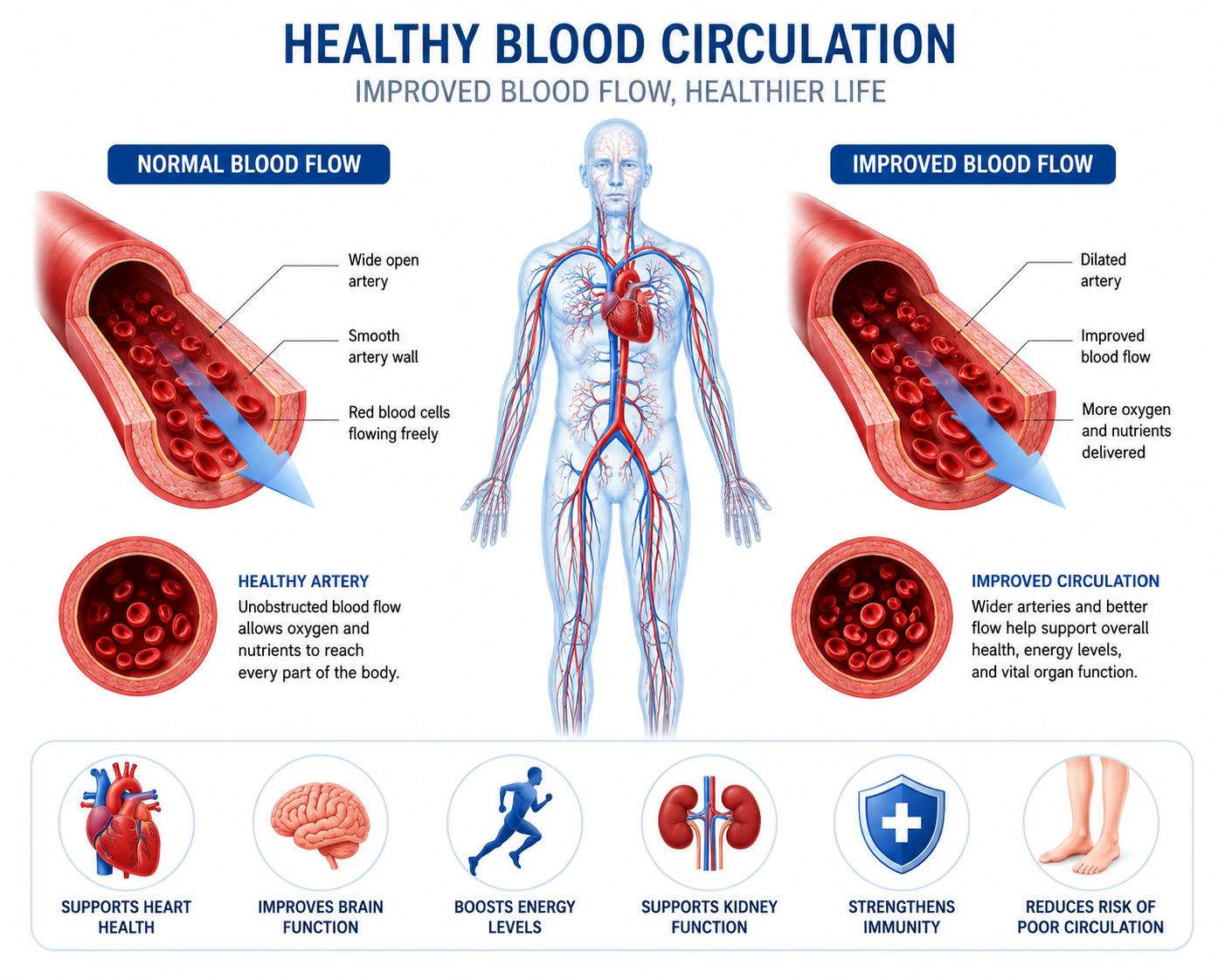
An erection depends partly on healthy blood flow. Conditions that affect blood vessels can affect both erections and the heart. These include high blood pressure, high cholesterol, diabetes, smoking and being overweight.
Erectile dysfunction does not prove that someone has heart disease. However, repeated problems can be an early sign of a treatable health condition, so they should not simply be ignored.
What will a GP check?
A GP may ask when the problem started, whether it happens every time, whether morning erections still occur, and whether there are changes in sexual desire. They may also review medicines, alcohol use, smoking, stress, anxiety and relationship factors.
Checks can include blood pressure, weight and blood tests for diabetes, cholesterol or hormone problems. The aim is to find possible causes and choose treatment safely.
Medicines can also play a part
Some medicines for blood pressure, depression and other conditions can contribute to erection problems. Do not stop prescribed medicine on your own. A doctor can review whether an alternative or dose change is appropriate.
When erection medicines need extra care
Sildenafil, tadalafil and similar medicines may not be safe for everyone. They must not be combined with nitrate medicines for chest pain or with poppers containing amyl nitrite, because blood pressure can fall dangerously.
People with a recent heart attack or stroke, unstable heart symptoms, very low blood pressure or serious heart disease need medical advice before using an erection medicine. A pharmacist or doctor should also check for interactions with other medicines.
Simple lifestyle steps
Healthy habits can support both circulation and sexual health. Useful steps include stopping smoking, exercising regularly, eating a balanced diet, maintaining a healthy weight, limiting alcohol and reducing stress. These changes are not an instant cure, but they can help address common risk factors.
When to seek urgent help
Call 999 for severe or persistent chest pain, especially if it spreads to the arm, back, neck or jaw, or occurs with shortness of breath, sweating, dizziness or nausea. If chest pain occurs during sex after taking an erection medicine, tell emergency staff what was taken and when. Do not use nitrate medicine unless an emergency clinician says it is safe.
Why age is not the only explanation
Erection problems become more common with age, but they should not automatically be dismissed as an unavoidable part of getting older. Blood vessel health, medicines, sleep, testosterone levels, mental wellbeing and relationship factors can all change over time. A routine assessment can separate common temporary causes from problems that need treatment.
It is especially sensible to request a review when erectile dysfunction appears suddenly, becomes steadily worse or happens alongside reduced exercise tolerance. The same applies when there is a strong family history of early heart disease.

Stress and mental health
Not every case is caused by a physical condition. Stress, depression, anxiety and worries about sexual performance can affect arousal and erections. Physical and psychological causes can also occur together. For example, one unsuccessful experience may create anxiety that makes the next attempt more difficult.
A GP or sexual health professional can discuss counselling, talking therapies or relationship support where appropriate. This is a normal part of care and does not mean the symptoms are imagined.

Preparing for an appointment
Before the appointment, make a list of all prescribed and non-prescribed medicines. Note when the symptoms began, whether they occur every time and whether erections happen during sleep or on waking. It can also help to record changes in mood, sexual desire, urination, energy or exercise capacity.
These details help the clinician choose appropriate checks. The conversation is confidential, and GPs and sexual health clinics discuss erection problems regularly.
Looking beyond a quick treatment
An erection medicine may help the symptom, but it does not replace investigation of repeated erectile dysfunction. Improving blood pressure, diabetes control, cholesterol, smoking or fitness may protect wider health as well as sexual function. Any changes to treatment should be gradual and guided by a qualified professional.
A registered pharmacist can provide medicine advice, but ongoing or unexplained symptoms still deserve a GP or sexual health clinic review. Seeking help early is a practical health decision, not something to feel embarrassed about.
When to book a routine appointment
See a GP or sexual health clinic if erection problems keep happening, cause distress, begin after a medicine change or occur with other symptoms. Getting checked can identify causes such as diabetes, high blood pressure, high cholesterol, anxiety or hormone problems.
For further information, read the NHS guidance on erectile dysfunction.