
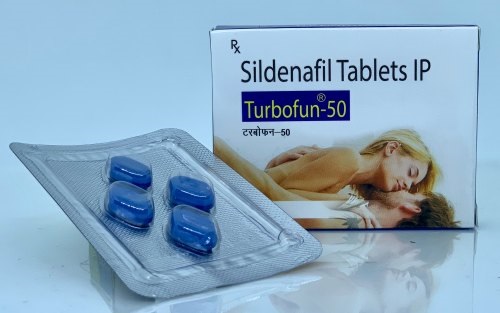
Sildenafil citrate is a prescription medicine used to treat erectile dysfunction (ED). It is the active ingredient in Viagra and some other authorised sildenafil products. Sildenafil does not increase sexual desire and does not produce an automatic erection; sexual stimulation is still required. This guide explains how sildenafil works, when it may be unsuitable, common side effects and how to obtain treatment safely in the UK.
What is sildenafil citrate?
Sildenafil belongs to a group of medicines called phosphodiesterase type 5 (PDE5) inhibitors. It is mainly used for erectile dysfunction, although different sildenafil products and dosing schedules may be prescribed for pulmonary hypertension. Those uses should not be confused, and a medicine prescribed for one condition should not be taken for another without professional advice.
According to the NHS sildenafil guidance, the medicine temporarily increases blood flow to the penis when a person is sexually aroused. It treats the physical response involved in an erection, but it does not resolve every possible cause of ED.
How does sildenafil work for erectile dysfunction?
During sexual stimulation, chemical signals relax smooth muscle and allow more blood to enter the penis. PDE5 can reduce this response by breaking down one of the chemicals involved. Sildenafil temporarily blocks PDE5, helping the natural erection process work more effectively. It will not cause an erection without sexual stimulation.
Sildenafil commonly starts working within 30 to 60 minutes and may be taken up to four hours before sex. A high-fat meal can delay how quickly it works. The response varies between individuals, and timing should always follow the product information and advice from a doctor or pharmacist.
What dose of sildenafil is normally used?
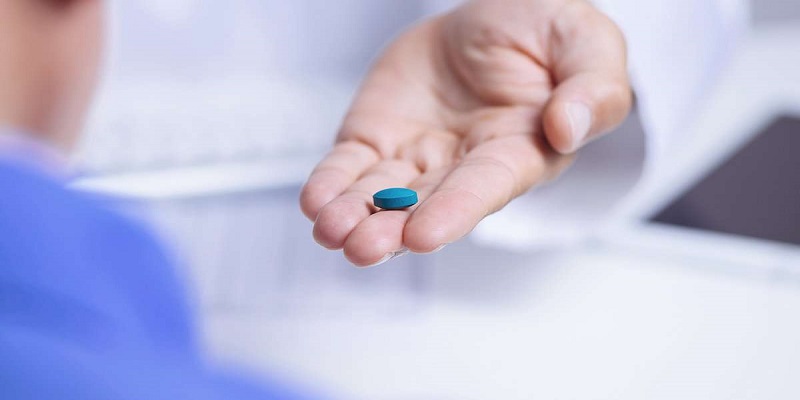
Sildenafil tablets for ED are available in different strengths. The NHS dosage guide states that the usual dose for erectile dysfunction is 50mg when needed, no more than once a day. A clinician may reduce it to 25mg or increase it to 100mg depending on effectiveness, side effects, other medicines and health conditions.
Do not assume that 100mg is the correct starting dose, do not take more than one dose in 24 hours, and do not combine sildenafil with another ED medicine unless a qualified prescriber specifically advises it. Taking more does not guarantee a better result and can increase the risk of side effects.
Who should speak to a doctor or pharmacist first?
Most adult men can use sildenafil for ED, but it is not suitable for everyone. Never take sildenafil with nitrate medicines used for chest pain, because the combination can cause a dangerous fall in blood pressure. You should also obtain professional advice if you take other medicines that affect blood pressure or interact with sildenafil.
- You have a serious heart or liver condition.
- You recently had a heart attack, stroke or another significant heart problem.
- You have low blood pressure, a bleeding disorder or a stomach ulcer.
- You have sickle cell anaemia, leukaemia or multiple myeloma.
- You have Peyronie’s disease, another penile deformity or an inherited eye condition.
- You have previously had an allergic reaction to sildenafil.
This is not a complete screening list. Erectile dysfunction can sometimes be linked with cardiovascular disease, diabetes, medication effects, anxiety or other health issues. A proper consultation can identify risks and help determine whether sildenafil or another approach is appropriate.
Common and serious side effects
Common side effects include headache, facial flushing, indigestion, nausea, a blocked nose and dizziness. Some people also experience temporary visual changes. Read the patient information leaflet and speak to a pharmacist or doctor if side effects persist, worsen or concern you.
Serious reactions are uncommon but require urgent attention. The NHS side-effects guidance advises calling 999 or going to A&E for chest pain, a seizure, a severe allergic reaction, or a prolonged or painful erection lasting more than two hours. Sudden loss or reduction of vision also requires immediate medical advice. If chest pain occurs, do not use nitrates to treat it after taking sildenafil.
Why sildenafil may not work as expected
A delayed result does not necessarily mean the medicine is ineffective. Taking it after a heavy meal, not allowing enough time, insufficient sexual stimulation, anxiety or using an unsuitable dose may affect the response. Do not respond by taking extra tablets. A doctor or pharmacist can review technique, timing, underlying causes and possible alternatives.
How to obtain sildenafil safely in the UK
Use a legitimate UK pharmacy and complete the required clinical assessment. Avoid medicines offered through social media, messaging apps or unknown websites. The MHRA warns about unauthorised ED medicines because they may contain the wrong dose, hidden medicines, toxic ingredients or no active ingredient at all.
For online pharmacies based in Great Britain, check the pharmacy and responsible pharmacist on the General Pharmaceutical Council register. A legitimate service should ask health questions, explain important interactions and provide access to a pharmacist. Price, packaging or a familiar-looking tablet is not proof that a medicine is genuine or appropriate.
Frequently asked questions
Does sildenafil increase sex drive?
No. Sildenafil supports the physical erection response when sexual stimulation occurs; it is not an aphrodisiac and does not directly increase libido.
Can sildenafil be taken with alcohol?
Drinking heavily can make it harder to achieve an erection and may worsen dizziness or other side effects. Ask a pharmacist or doctor for advice based on your health and medicines.
Can I take sildenafil every day?
For ED, do not take sildenafil more than once in 24 hours. Whether regular use is appropriate should be decided with a qualified prescriber.
Medical note: This article provides general information and is not a diagnosis or a substitute for advice from a doctor or pharmacist.
